
RaMbLeS
Welcome to RaMbLeS, a collection of weekly musings on life and Scripture. It all began in 2005 on Google’s blogspot as the aBeLOG (a name now recycled), a semi-autobiographical devotional that attempted to keep well-wishers abreast of my activities as I relocated to Scotland for a few years. Since my return, I’ve continued my RaMbLeS, and here’s its most recent incarnation on Homiletix, as random reflections usually based on current news articles and travel experiences and whatever else takes my fancy!
Sealed!
The other day, I was at Southern Baptist Theological Seminary (SBTS), in Louisville, Kentucky.
Nope, sorry to disappoint you folks, I wasn’t there to bet on the Derby. I could get into trouble—a DTS prof betting on horses!
Nope, I was there to lead a day of seminars for students working on their doctorates in preaching. They were using my tome on preaching hermeneutics as one of their textbooks, and so I was called in for an inquisition, Baptist style!
[Actually, I had
Go!
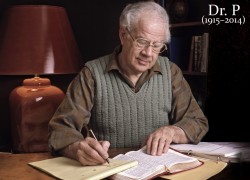
A Dallas Seminary legend passed into the presence of the Lord last Monday. Dr. J. Dwight Pentecost, aka “Dr. P.”
He was 99 years and 4 days old, and only months after his last teaching session on our campus!
He came here in 1937 as student #100, in the then 12-year-old school that was Dallas Theological Seminary. And he’s stayed here since!
Over 10,000 students taught. Over 20 books written. Over 62 years of faithful marriage. Over 55 years teaching at DTS.
Pastor, professor,
Red!
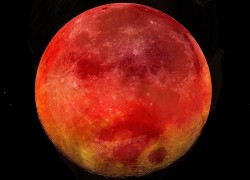
Couple of weeks ago, I woke up early. 2:08 am to be exact. To see the “Blood Moon.”
(If you missed, don’t worry. That’s why Al Gore invented the Internet!)
If you want to really see another one, you’re in luck. There are three more on the way: October 8, this year, and then April 4 and September 28, in 2015.
Unusual. This is called a tetrad. Four successive total lunar eclipses, with no partial eclipses in between, and each separated from its neighbors
Mine!
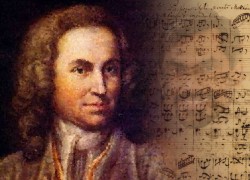
My third and last installment of a few amateur reflections on the text and score of St. Matthew Passion by the venerable J. S. Bach (1685–1750).
This guy really is doing something with what he has composed. So there is real merit (and marvelous fruit) in not only just listening to the work, but also looking at it closely.
So also for all texts. Particularly, the Bible. The text, rather than being a plain-glass window, is actually a stained-glass window.
Cross!
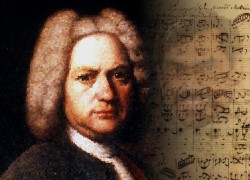
Last week, as I had mentioned in my last post, the Dallas Bach Society performed the St. Matthew Passion by ye olde Johann Sebastian Bach (1685–1750).
My passion (crusade?) is to pay close attention to biblical texts, to figure out what authors do with what they say. They not only say things, but they are doing something in/with their saying. They are accomplishing something. A divine demand is being made in every text. And to that, we readers are expected
Son!
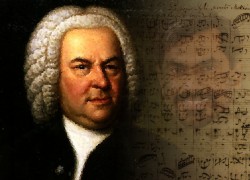
Last night, I had a wonderful opportunity to listen again to a live performance of THE St. Matthew Passion, courtesy of the Dallas Bach Society.
A remarkable sacred oratorio written by Johann Sebastian Bach (1685–1750), probably around 1727. There are both solos and pieces for double choir (two four-part choirs). The Passion also employs a double orchestra—two sets of instrumentalists, each set having two recorders, two flutes, two oboes, two violins, a viola,
Caution!

Loxodonta and Elephas are couple of smart species.
Maybe its their 10-lb brains (compared to the 3-lb human organ), that have as many neurons as do ours. They exhibit grief, can learn, mimic, show altruism, use tools, demonstrate compassion, engage in cooperation, be self-aware, remember, and even understand pointing—non-verbal communication. They are the only species, besides Homo sapiens, to have a death ritual
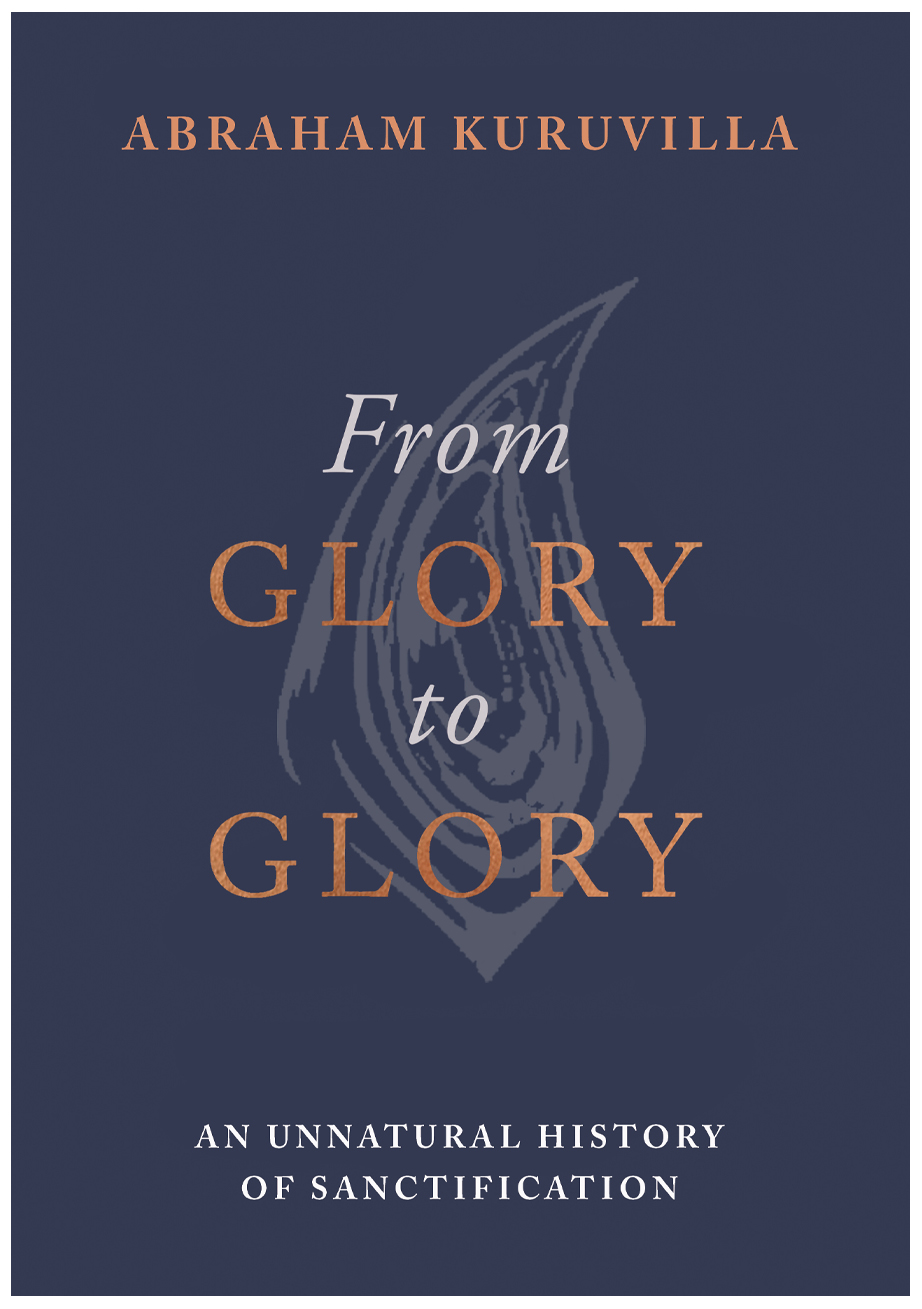
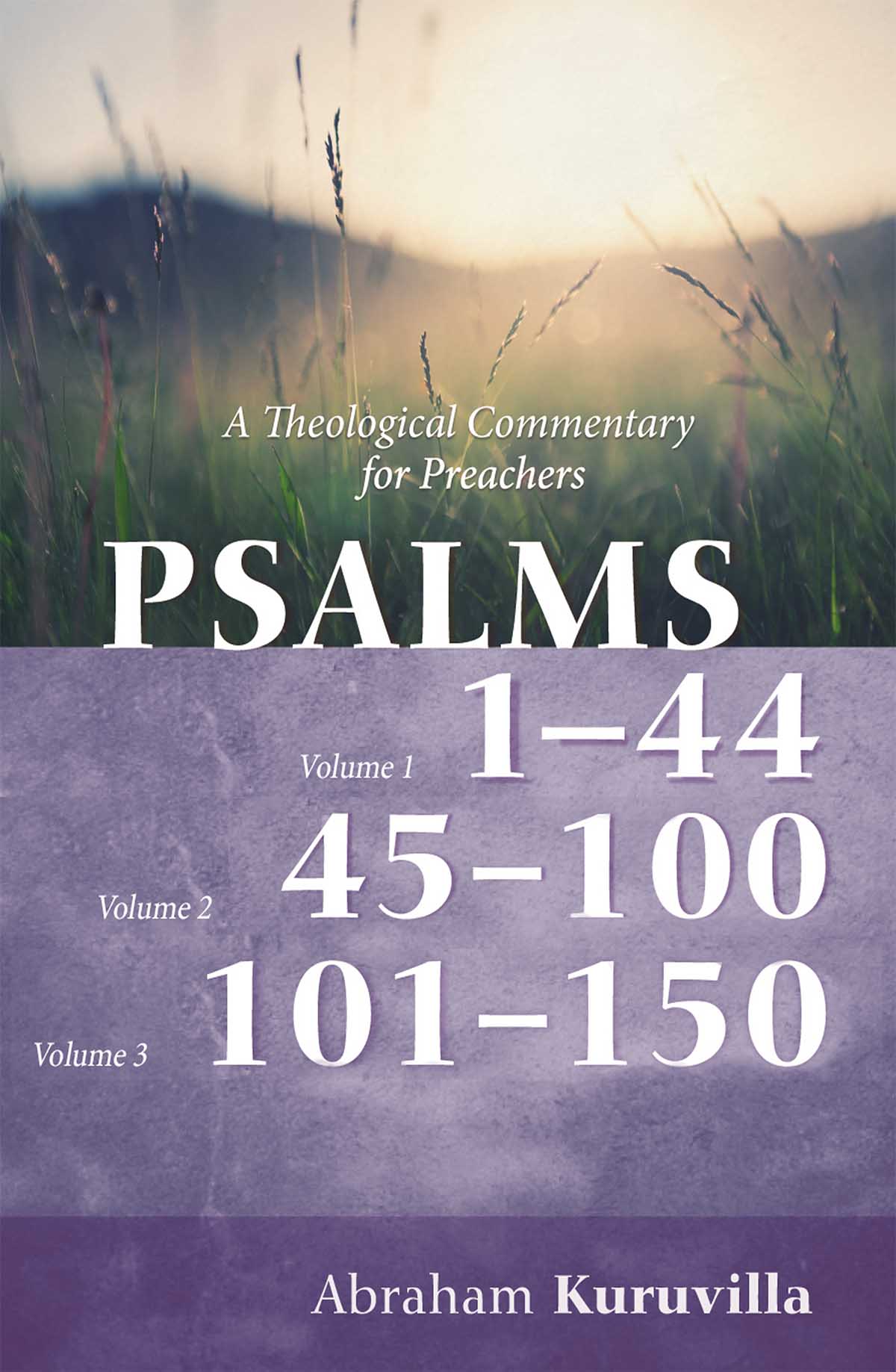


 Abe Kuruvilla is the Carl E. Bates Professor of Christian Preaching at The Southern Baptist Theological Seminary (Louisville, KY), and a dermatologist in private practice. His passion is to explore, explain, and exemplify preaching.